Every great city has a certain cuisine baked into its cultural DNA — New York’s pizza, Las Vegas buffets, Seattle’s seafood, Washington D.C.’s power lunches. But the true joy of urban food culture often lives in the margins: immigrant neighborhoods, family-run kitchens and quietly thriving enclaves where locals gather and traditions endure. These “hidden kitchens” aren’t exactly secrets, just often overlooked by visitors chasing the classics. For travelers willing to wander a few blocks off the main drag, they offer some of the most memorable meals of any journey.
New York City:
Chinese-American Comfort on the Upper West Side
New York’s dining identity is often framed by its trendiest menus or its legendary slices, yet some of the city’s most enduring culinary traditions live in humble neighborhood restaurants. Far from the Instagram buzz around Chinatown’s dim sum palaces, these quieter spots are woven into the daily rhythms of apartment blocks and brownstones.
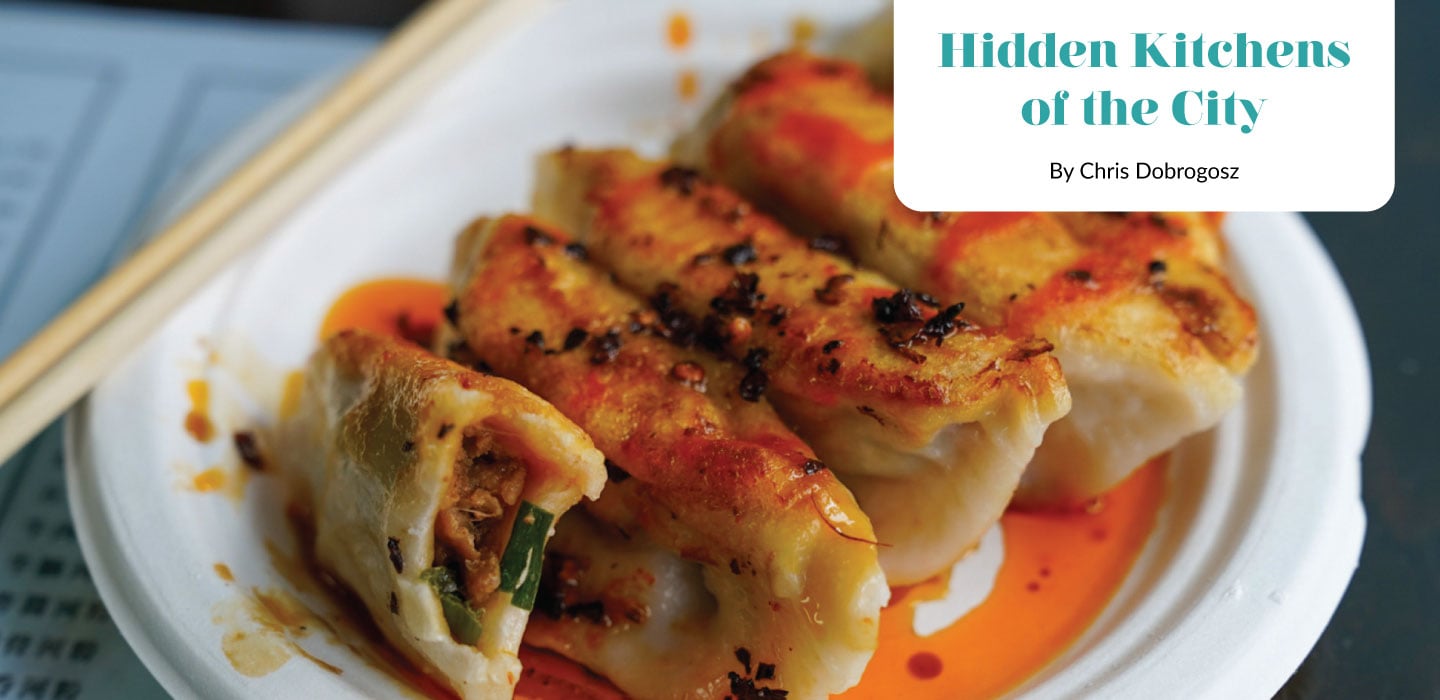
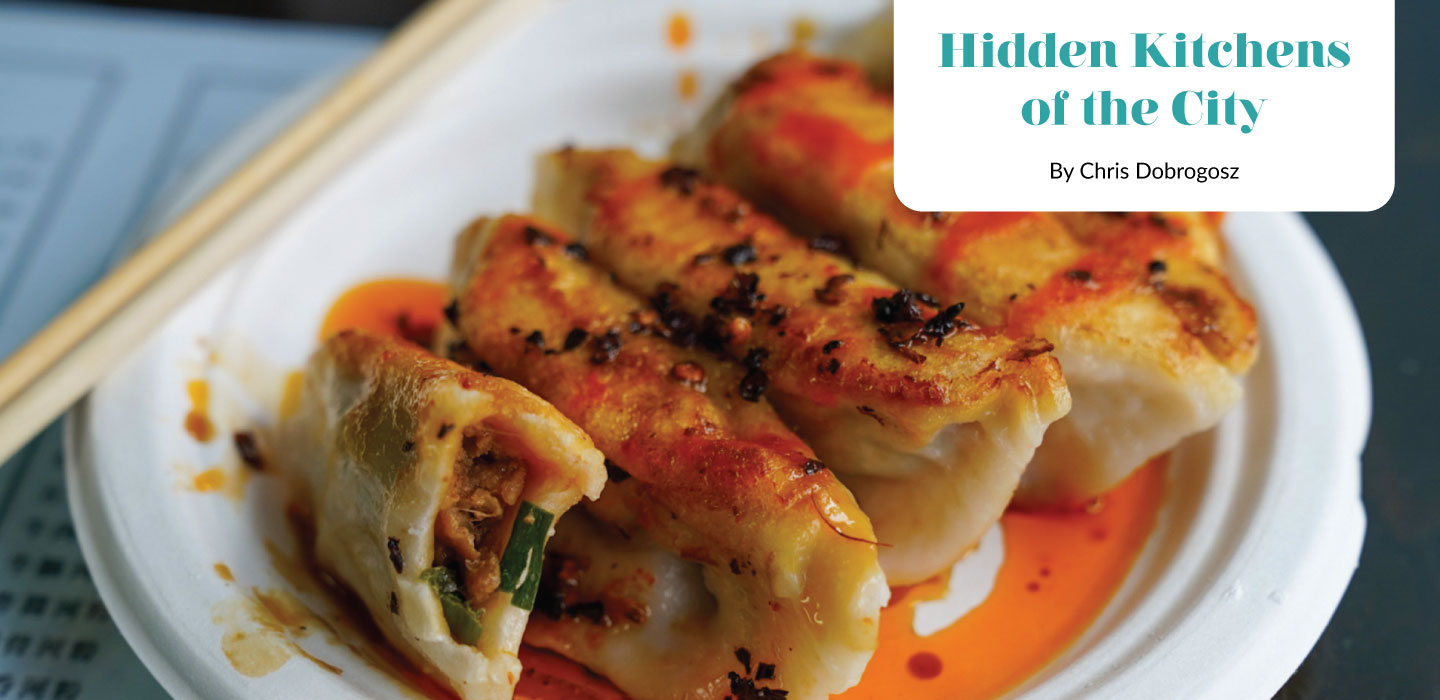
The Upper West Side’s beloved eatery, New Cottage, is emblematic of this genre. For decades, it has served scallion pancakes, sesame noodles and pork dumplings smothered in peanut sauce to generations of locals — comfort food in the truest sense. These restaurants represent a uniquely American culinary tradition, shaped by Chinese immigrant cooks adapting recipes to local tastes while maintaining distinct techniques and flavors.
Beyond Manhattan, Queens and Brooklyn also host thriving Chinese communities whose regional cuisines — Fujianese, Sichuanese, Cantonese and beyond — offer a dizzying array of dishes that many visitors never encounter.
But even in Manhattan, neighborhood Chinese-American restaurants like New Cottage remain deeply beloved, serving as both cultural touchstones and everyday gathering places. For travelers, exploring these understated kitchens is a reminder that New York’s culinary soul is not only in Michelin-starred dining rooms but also in laminated menus, late-night takeout counters and hot containers carried home on the subway.
Las Vegas:
Off-Strip Global Flavors
Las Vegas’ culinary reputation is dominated by celebrity chefs and casino dining rooms, yet the city’s most dynamic food culture thrives beyond the neon-lit Strip. Driven by a diverse population of residents and workers, Las Vegas has become a hub for authentic international cuisines — often clustered in suburban strip malls and residential neighborhoods.
Spring Mountain Road, for example, is home to one of the most concentrated Asian food scenes in the United States. Korean barbecue joints, Chinese noodle houses, Japanese izakayas and Thai cafés sit side by side, catering primarily to locals. The area has earned a reputation among food enthusiasts as a destination in its own right, where chefs focus on authenticity rather than spectacle.
Elsewhere, Las Vegas’s Latin American communities bring regional Mexican, Salvadoran and Peruvian flavors to neighborhoods like East Las Vegas. Here, travelers can find handmade pupusas, seafood cocktails and slowcooked stews that bear little resemblance to the Tex-Mex stereotypes often associated with the city.
For visitors accustomed to high-end tasting menus, these hidden kitchens reveal a different Las Vegas: a city of families, small businesses and global traditions that flourish just a short drive from the Strip.
Seattle:
East African and Southeast Asian Roots
Seattle is synonymous with coffee, salmon and rain-soaked farmers’ markets, but its immigrant communities have shaped a culinary landscape far richer and more global than many visitors expect. Among the most vibrant scenes are East African and Southeast Asian neighborhoods, particularly in the and South Seattle.
The city is home to one of the largest East African populations in the United States, with Somali and Ethiopian restaurants serving injera platters, spiced stews and fragrant rice dishes. These restaurants are often clustered along Rainier Avenue, where storefront cafés and markets cater to local communities while welcoming curious diners.
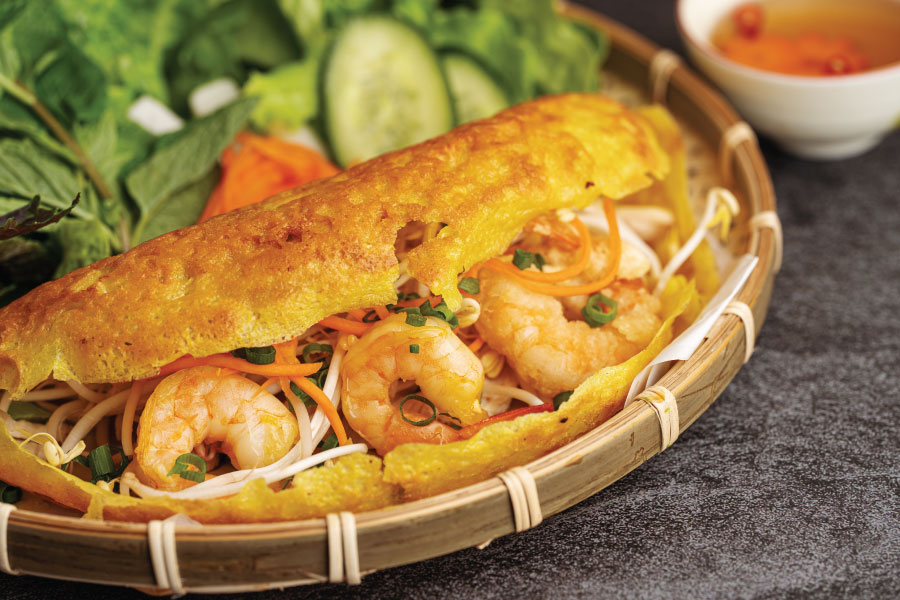
Seattle’s Southeast Asian communities — particularly Vietnamese, Cambodian, and Laotian — also contribute a distinctive culinary identity. While pho is widely recognized, lesser-known dishes like Cambodian kuy teav (noodle soup), Laotian larb and Vietnamese bánh xèo (savory crepes) offer deeper insight into the region’s flavors.
These hidden kitchens challenge the notion of Seattle as a city defined solely by seafood and espresso. Instead, they reveal a multicultural metropolis where global cuisines are integral to everyday life — and where some of the most compelling meals are found far from the tourist-heavy waterfront.
Washington, D.C.:
Ethiopian, Afghan and Beyond
Washington, D.C.’s culinary reputation often revolves around power dining and upscale American restaurants, yet the city’s most distinctive food scenes are rooted in its immigrant neighborhoods. Among the most celebrated — and still underappreciated by many visitors — is D.C.’s Ethiopian community.
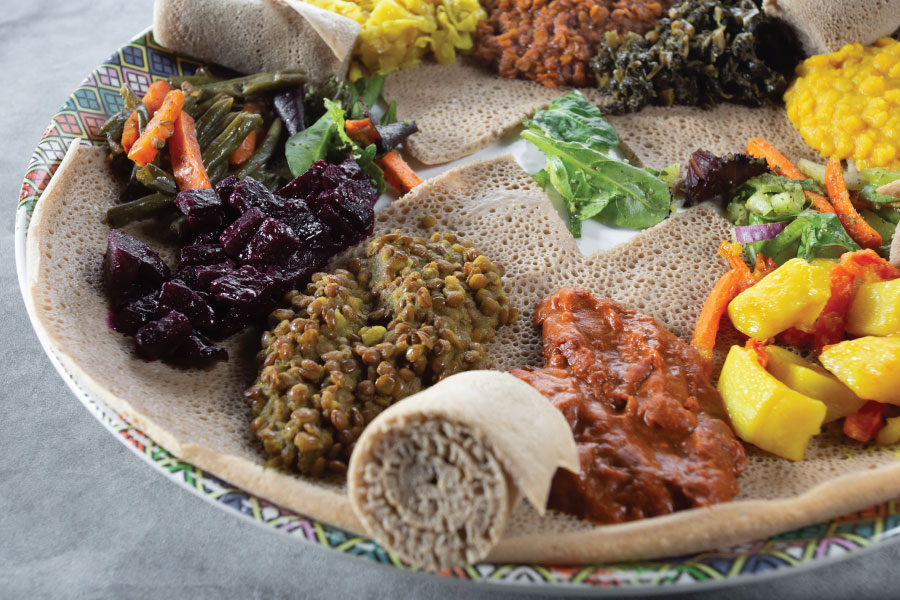
Centered in neighborhoods like Shaw and Adams Morgan, Ethiopian restaurants offer communal platters of spiced lentils, meats and vegetables served atop tangy injera bread. Eating with your hands, sharing dishes and savoring complex spice profiles creates an experience that feels both deeply traditional and wonderfully social.
D.C. is also home to a growing Afghan culinary scene, particularly in Northern Virginia’s suburbs, where kabobs, mantu dumplings and rich stews reflect Afghanistan’s position at the crossroads of Central and South Asia. Caribbean, Salvadoran and West African restaurants further enrich the region’s food culture, often operating in modest storefronts that belie the sophistication of their cooking. For travelers, these neighborhoods offer a chance to experience global cuisines without leaving the nation’s capital — a testament to D.C.’s role as an international city shaped by migration and diaspora.
The Joy of Finding the Hidden Kitchen
Hidden kitchens are not just about obscure dishes or unfamiliar neighborhoods; they are about perspective. They invite travelers to move beyond the postcard version of a city and into the spaces where people live, work and eat every day. In these kitchens, food is not a spectacle but a language — a way to share stories, preserve heritage and build community.
Exploring these overlooked culinary scenes requires curiosity and a willingness to wander. Take public transit to a residential neighborhood, ask a local about their favorite lunch spot or follow the scent of spices drifting from a strip mall storefront. You may not find a tasting menu or a celebrity chef, but you will likely find something more enduring: a meal that reflects the city’s true character.
These hidden kitchens remind us that every city contains multitudes — and that some of the most delicious stories are told quietly, one neighborhood at a time.