Mention Curaçao to most travelers, and the conversation tends to stop at turquoise water and powder-fine sand. Both are real and worth the trip on their own. But limiting the island to its coastline overlooks what makes Curaçao genuinely distinct in the Caribbean: a layered history, an architectural identity unlike anywhere else in the region and a culture shaped by centuries of trade among Europe, Africa and the Americas.
A Colorful Capital
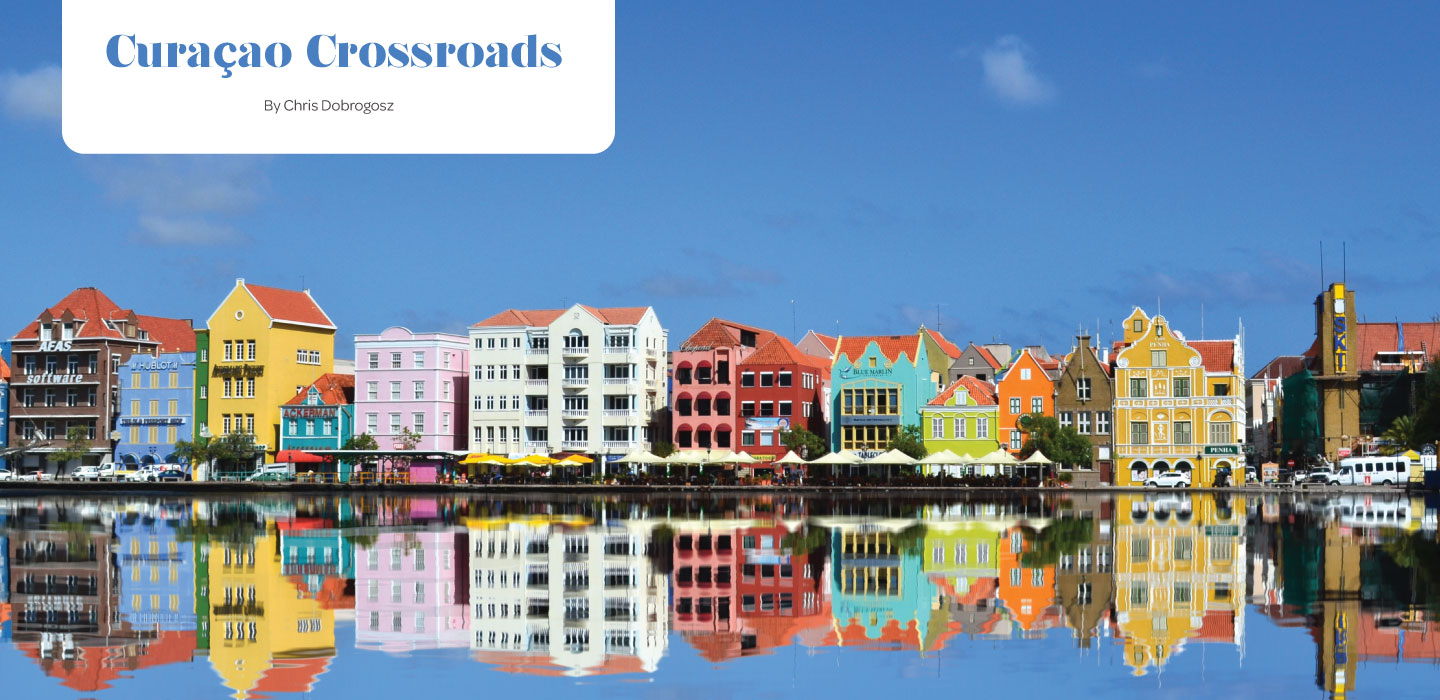
Willemstad, the island’s capital, is a UNESCO World Heritage site, and it earns that designation through more than good looks. The pastel townhouses lining the Handelskade waterfront were painted in bright hues by order of a 19th-century governor, who reportedly grew tired of the glare from white buildings and issued a decree requiring color. Whether the story is entirely accurate, the result is a skyline that reads more like Amsterdam reimagined in the tropics than a typical island port.
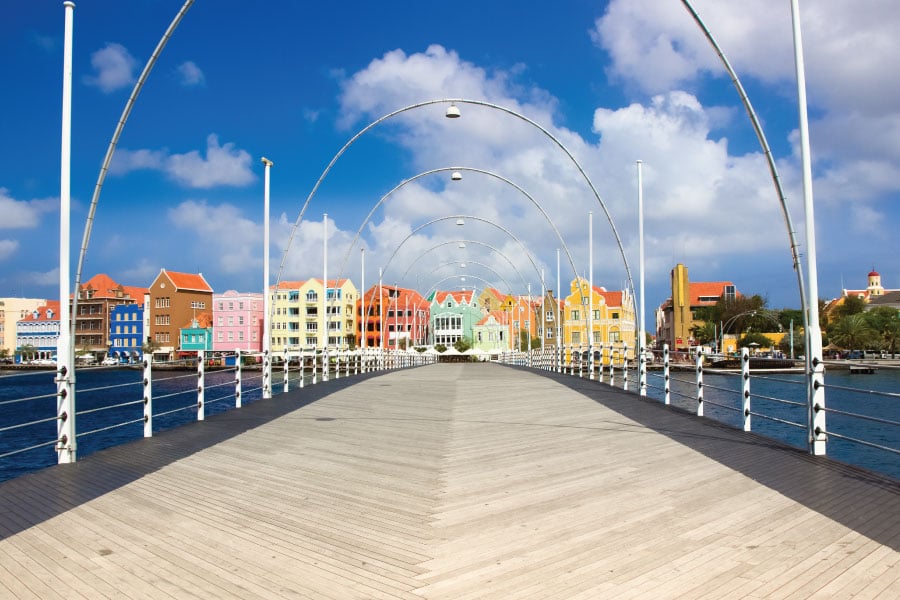
Walking the Punda and Otrobanda districts on either side of St. Anna Bay reveals Dutch colonial architecture alongside murals, ironwork balconies and buildings that have been repurposed as galleries, restaurants and boutiques. The Queen Emma Bridge, a pontoon bridge that swings open to let ships pass, connects the two districts and remains one of the few pedestrian bridges of its kind still in daily use.
Reckoning with History
Curaçao’s location made it a central hub in the Dutch transatlantic slave trade, and the island doesn’t shy away from that painful history. The Kura Hulanda Museum presents one of the most extensive collections on West African history anywhere in the Caribbean. It’s a sobering counterpoint to the resort brochures, and it adds essential context for understanding the island’s present-day population, which blends African, Dutch, Latin-American and Sephardic Jewish heritage. That mix shows up in the local language, Papiamentu, a Creole tongue drawing from Portuguese, Spanish, Dutch and West African languages, still spoken in daily life alongside Dutch and English.
Terrain That Isn’t All Sand
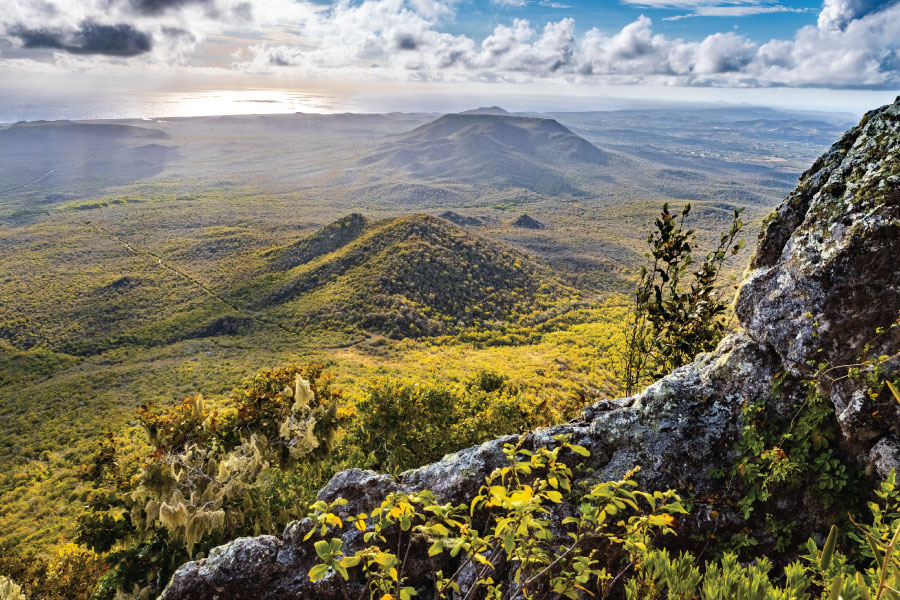
Christoffel National Park, on the island’s western end, offers a different kind of Curaçao. Mount Christoffel rises just over 1,200 feet, modest by mountain standards but a legitimate hike in Caribbean heat, with trails cutting through dry forest, past 100-year-old trees bent permanently sideways by trade winds and up to a summit view that stretches across the entire island on a clear morning. The park is also home to the Curaçao white-tailed deer, a subspecies found nowhere else, along with iguanas and a range of bird species that draw dedicated birdwatchers rather than casual sightseers.
On the island’s northeast side, the salt flats and mangrove-lined inlets host populations of Caribbean flamingos. Unlike more curated wildlife encounters elsewhere, these are wild birds in an undeveloped landscape, best viewed from a respectful distance with a good pair of binoculars.
Below the Surface
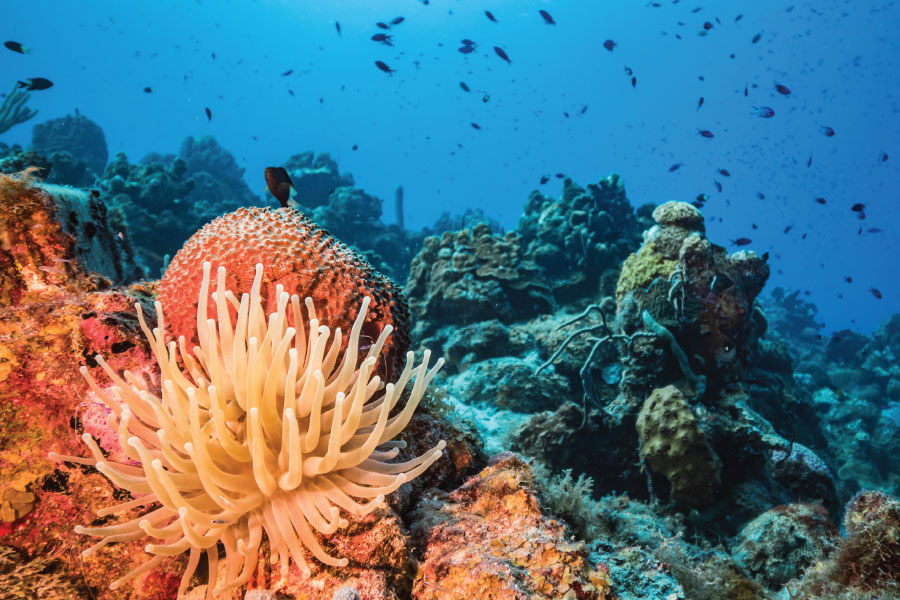
Curaçao’s diving deserves its own mention, separate from generic beach appeal. The island sits outside the hurricane belt, which means consistent visibility and healthy reef systems year-round, including accessible shore diving scarcely found elsewhere in the Caribbean. The Mushroom Forest and the wreck of the Superior Producer are established favorites, but the appeal isn’t a single dive site so much as the ease of access: many hotels sit directly near the reef, allowing divers to walk in from shore rather than book a boat excursion.
Eating History
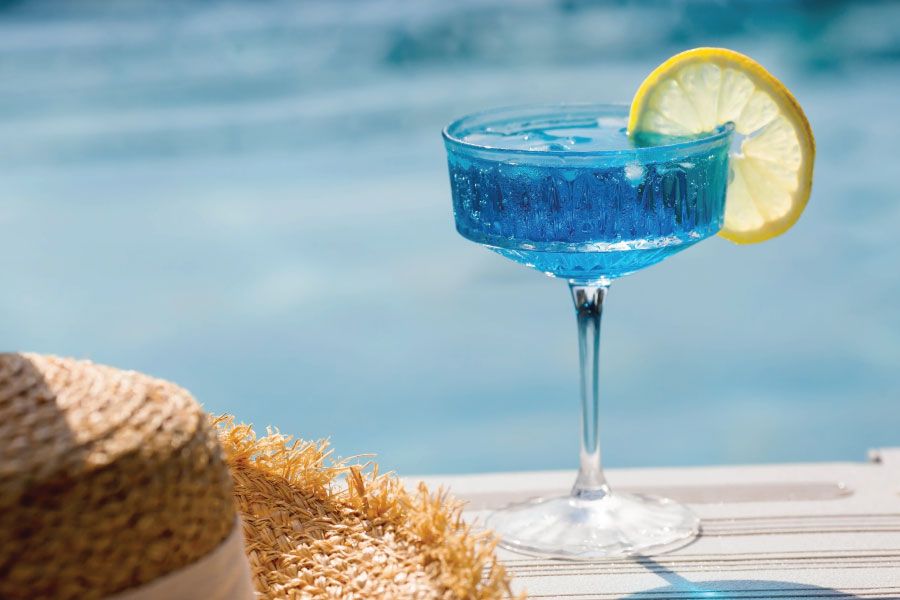
Curaçaoan food reflects the same blend as its architecture and language. Keshi yena, a dish of Edam cheese stuffed with meat, olives and raisins, dates to the plantation era, when cooks repurposed the shells of imported Dutch cheese. Stews built on funchi, a cornmeal staple similar to polenta, sit alongside Indonesian-influenced dishes brought through Dutch colonial trade routes. And Blue Curaçao, the liqueur that shares the island’s name, is produced locally from the dried peel of the laraha citrus fruit, a bitter orange that grows almost nowhere else, at the Chobolobo estate just outside Willemstad, where tastings are available on-site.
None of this replaces the beaches, which remain genuinely excellent. But treating them as the whole story misses an island with more to offer: a capital worth walking slowly, a history worth sitting with and a landscape that extends well past the shoreline.